
April 2026

click for a free consultation
How Much Is My Personal Injury Case Worth?

How Much Is My Personal Injury Case Worth?

If you’ve been injured in an accident, one of the first questions you probably have is: “What is my case actually worth?” The honest answer is- it depends. But understanding what drives value can help you set realistic expectations- and avoid your case being undervalued by an insurance company. Below, we break down the key factors that determine the value of a personal injury case in Indiana. 1. Liability: Before anything else, you have to…

Read More
What Is Perjury? Understanding Indiana’s Perjury Laws

What Is Perjury? Understanding Indiana’s Perjury Laws

Posted in On April 20, 2026 By Banks & Brower

Key Takeaways Indiana defines perjury as knowingly making a false material statement under oath or affirmation. Contradictory material statements in court or grand jury may constitute perjury. Perjury is a Level 6 felony under state law. Prosecutors must prove the speaker knew the sworn material statement was false. False testimony given under witness immunity may still support a perjury charge. Court testimony carries legal weight in Indiana. Statements made under oath influence criminal trials, civil…

Read More

The Scope of Domestic Battery

Domestic battery is one of the most common criminal charges filed in Indiana.   There are several misnomers regarding the crime of domestic battery, and there are several ways in which the crime can be enhanced.  This blog will focus on what the crime of domestic battery is, and the various ways in which that the state might try to enhance it.   What is Domestic Battery?   The crime of domestic battery is defined by…

Read More
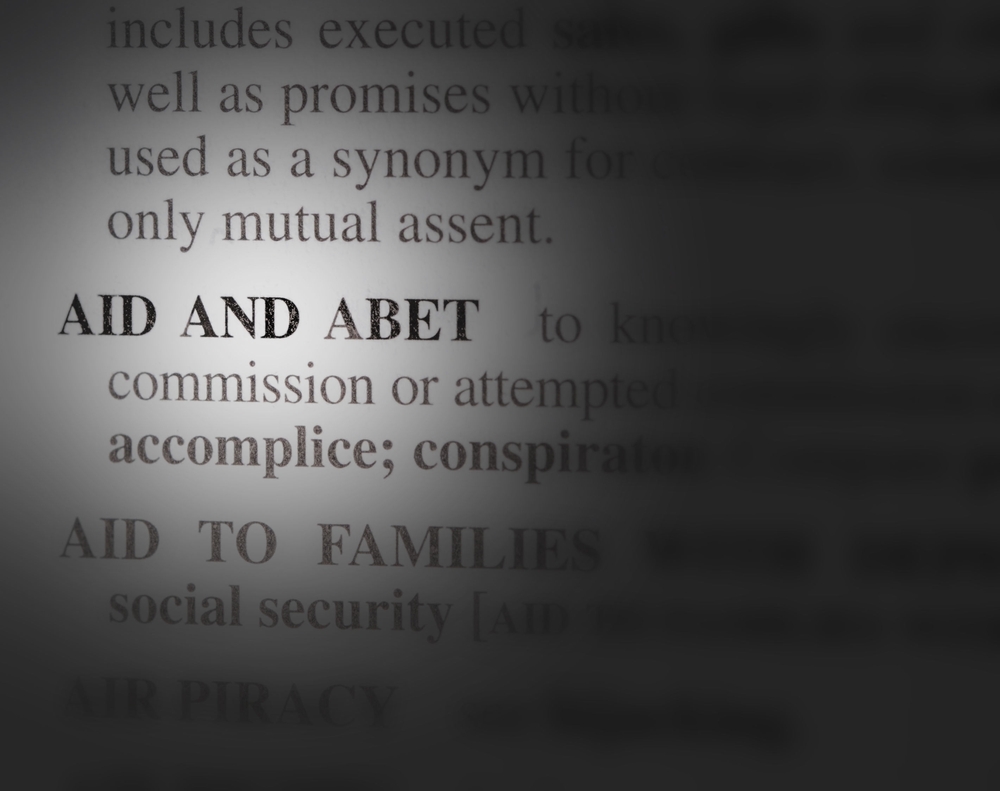
What Is Aiding and Abetting? Understanding the Indiana Law

What Is Aiding and Abetting? Understanding the Indiana Law

Key Takeaways Indiana law makes a person liable for knowingly or intentionally aiding another offense. Mere presence near a crime scene does not automatically create criminal responsibility. Penalties for aiding and abetting follow the classification of the underlying offense. Prosecutors must prove intentional participation in assisting criminal conduct. Aiding and abetting requires assistance tied to a completed offense during the act. Criminal charges in Indiana sometimes involve several people connected to a single event. Courts…

Read More

Juvenile Criminal Law in Indiana

If you or your loved one is under the age of 18 and arrested or facing a criminal case, what happens now?  Unlike an adult, juveniles are handled differently when arrested for committing a criminal offense.   First, its not even called a criminal offense, it’s called an allegation of juvenile delinquency.  Almost all crimes that an adult would commit, when committed by a juvenile, will end up being handled in juvenile court.  There is an…

Read More
Plea Bargain Definition: What It Means in Indiana Criminal Law

Plea Bargain Definition: What It Means in Indiana Criminal Law

Key Takeaways A plea agreement resolves charges when a defendant accepts responsibility for concessions. Judges review plea agreements to confirm voluntary participation and understanding of waived rights. Indiana Rule of Criminal Procedure 3.3 allows guilty, not guilty, or mentally ill pleas. Charge bargaining reduces a criminal charge to a lesser offense. A guilty plea waives the right to a jury trial. Criminal charges move quickly through Indiana courts. Early hearings, evidence review, and negotiations between…

Read More
fact-checked-image

This page has been written, edited, and reviewed by a team of legal writers following our comprehensive editorial guidelines. This page was approved by Founding Partner, Brad Banks who has more than 20 years of legal experience as a criminal defense attorney.