

Key Takeaways
- Indiana Code 35-45-4-5 makes peeping into a dwelling or a place where someone expects privacy a Class B misdemeanor.
- Using a camera to peep raises the offense to a Level 6 felony under Indiana law.
- Voyeurism covers restrooms, showers, and dressing rooms where privacy is reasonably expected.
- A conviction can affect professional licensing, employment, and long-term reputation.
- Several defenses exist, including lack of intent, consent, and mistaken identity.
Police in Indiana move quickly on voyeurism accusations, often before the accused has any real chance to explain what happened. A single report from a landlord, a neighbor, or a store employee can turn into a criminal investigation within days, and the way prosecutors classify that report in the early stages can follow someone for years. At Banks & Brower, we have stood on both sides of Indiana courtrooms, and we have watched how fast a case moves from a misdemeanor to a felony once a camera enters the picture. Clients want a straight answer to what is voyeurism charge severity, not a rundown of legal jargon, and that is where we start.
Contact your Criminal Defense Lawyers in Indiana
 call us: 317-870-0019
Voyeurism Laws and What the Charges Mean
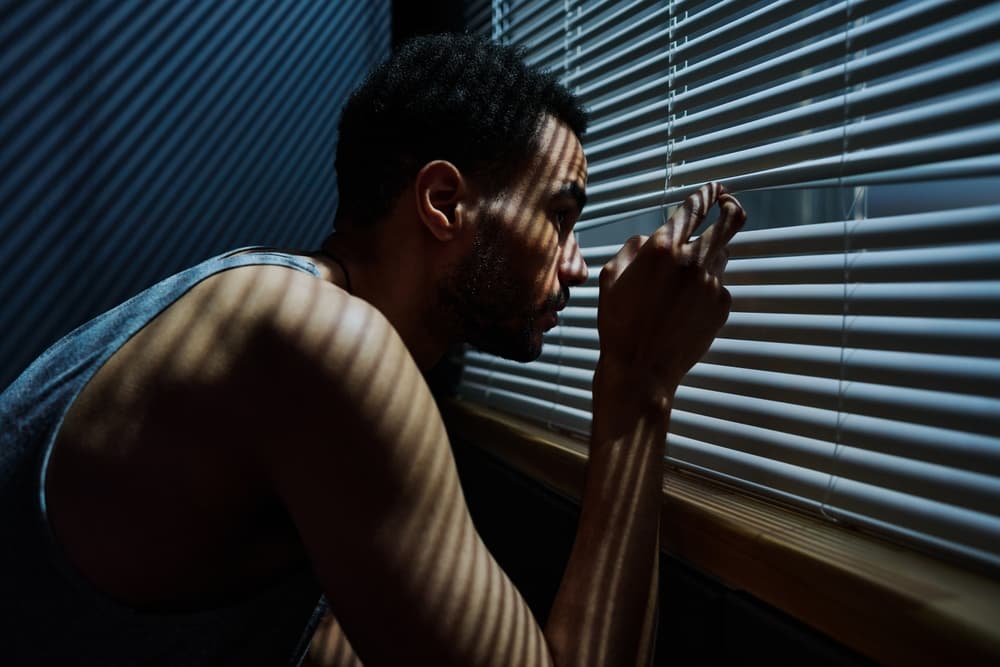
Indiana Code 35-45-4-5 defines voyeurism as knowingly or intentionally peeping into an occupied dwelling, or going onto another person’s property with the intent to peep. The law also covers spaces where an occupant can reasonably be expected to disrobe, including restrooms, baths, showers, and dressing rooms. Clients often ask what is voyeurism charge coverage actually based on, and the statute answers that question broadly.
Peeping includes clandestine, secretive, or prying observation, along with using a concealed camera to capture what the law calls an intimate image, meaning nudity or sexual conduct. Indiana no longer limits this offense to someone physically watching through a window. Capturing an intimate image with a hidden device, even without the observer present in the moment, can meet the same definition under current law.
The statute protects a person’s private area, covering the naked or undergarment-clad genitals, pubic area, or buttocks. Entering a home or building is not required to meet this definition. Standing outside a window with the intent to observe someone in these circumstances can satisfy the legal elements on its own.
Most voyeurism charges in Indiana begin as a Class B misdemeanor, a classification that changes sharply once a camera enters the picture.
Penalties for a Voyeurism Conviction in Indiana
The base offense carries real consequences on its own, and the presence of recording equipment changes the calculation entirely. Indiana’s sentencing statutes set the actual penalty for each classification:
- Class B Misdemeanor: Up to 180 days in jail and a fine of up to $1,000, applied to peeping without a camera.
- Level 6 Felony: Six months to two and a half years in prison, with a fine of up to $10,000.
- Collateral Penalties: Sex offender registration requirements may apply depending on the specific facts and any related convictions.
That jump from misdemeanor to felony happens the moment a phone, hidden camera, or recording device is involved, even if no image was ever shared or viewed by anyone else. Prior related convictions can also push a sentence toward the higher end of the range.
Call Us To Schedule A Free Consultation
Potential Defenses to Voyeurism Charges
Because voyeurism depends heavily on intent and circumstance, several defenses can apply depending on the facts of a case. Our attorneys review the full context of an alleged incident, including the location and whether prosecutors can actually prove the required mental state, since the burden of proof rests with the state and gaps in that proof can separate a conviction from a dismissal.
Several defenses commonly apply:
- Lack of Intent: The observation happened by accident rather than knowingly or intentionally.
- Consent: The other person was aware of and agreed to being observed or recorded.
- No Reasonable Expectation of Privacy: The alleged location was not one where privacy could reasonably be expected.
- Mistaken Identity: Witness accounts or footage identify the wrong individual.
- Insufficient Evidence of a Camera: Without proof a camera was used, the charge may remain a misdemeanor.
Each defense depends on details specific to the accusation, from the exact wording of a search warrant to whether a camera ever existed in the first place. Our attorneys’ background shapes how quickly we spot the weak point in the state’s evidence, sometimes before a formal charge is even filed.
How a Voyeurism Charge Can Affect Your Future
A voyeurism conviction rarely stays contained to a courtroom. Licensed professionals, including teachers, healthcare workers, and social workers, can face suspension or revocation of a license, separate from any criminal sentence. Employers who run background checks will often see the conviction too, which can limit job opportunities long after a sentence ends. Someone facing this charge in Indianapolis, Carmel, or Fishers may also see it affect certifications tied to their specific field.
Housing applications and custody arrangements can also be affected once a record like this exists. The reputational cost often outlasts the legal one, since a criminal case eventually closes but the record attached to it does not disappear on its own.
Call us to schedule a consultation.
Why You Need an Experienced Indiana Sex Crimes Defense Lawyer
Sex crime allegations draw a level of scrutiny that few other charges receive, and Indiana prosecutors build voyeurism cases with close attention to every detail, from digital evidence to witness statements. That level of scrutiny is exactly why a defense attorney who understands the case from the state’s side, not just the defense’s, brings a real advantage. Brad Banks and Adam Brower both spent years as prosecutors in Indiana, trying cases from misdemeanors to major felonies before turning to defense work full time. That background gives our team a working knowledge of how the state builds a voyeurism case and where it may be vulnerable. Our team has represented clients across Indianapolis, Carmel, Fishers, and Noblesville, and that regional footing shapes our approach to evidence and courtroom strategy.
Facing Voyeurism Charges in Indiana? Contact Banks & Brower
The question of what is voyeurism charge severity comes down to camera use, location, and intent, and each of those details will shape the defense from day one. Our team reviews the evidence closely, walks through what the charge actually means for the case at hand, and builds a strategy suited to the circumstances. The sooner that conversation happens, the more options remain open. Call Banks & Brower today at (317) 870-0019 to talk through the case and take the next step with clarity.

