

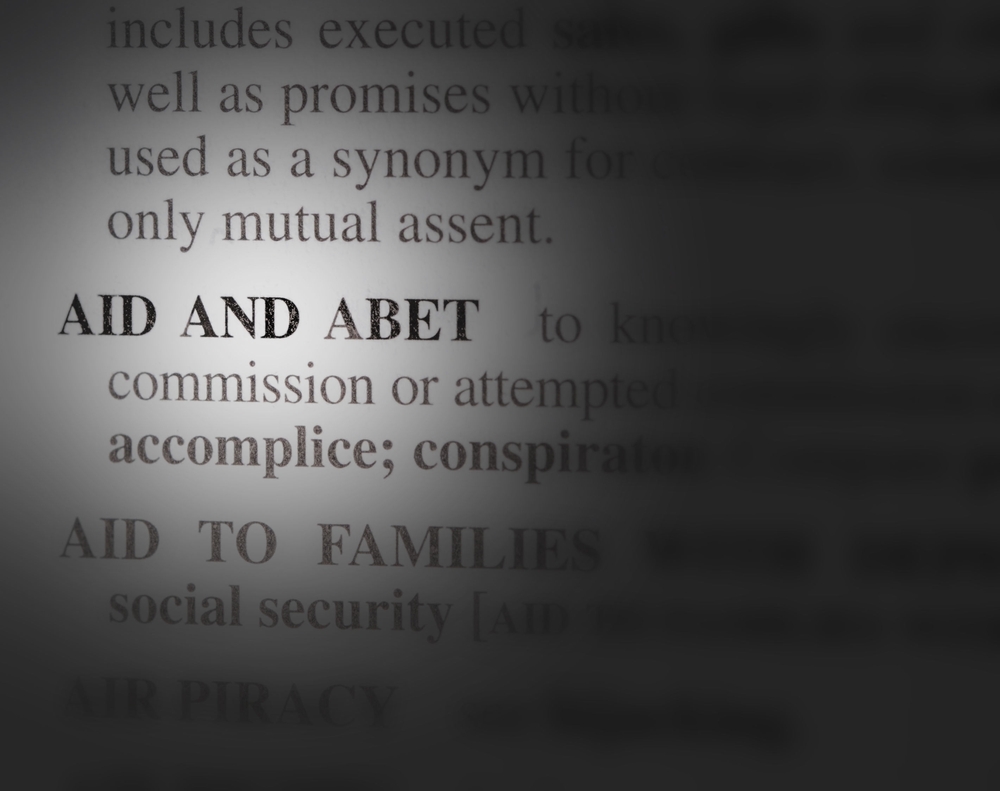
Key Takeaways
- Indiana law makes a person liable for knowingly or intentionally aiding another offense.
- Mere presence near a crime scene does not automatically create criminal responsibility.
- Penalties for aiding and abetting follow the classification of the underlying offense.
- Prosecutors must prove intentional participation in assisting criminal conduct.
- Aiding and abetting requires assistance tied to a completed offense during the act.
Criminal charges in Indiana sometimes involve several people connected to a single event. Courts frequently examine whether a person directly committed an offense or assisted another individual during the act. Many people researching criminal liability begin with one question: What is aiding and abetting under Indiana law? The concept addresses situations where a person contributes to a criminal act even without carrying out the main conduct. At Banks & Brower, our criminal defense team carefully analyzes each allegation because accomplice liability can expose individuals to serious penalties even when another person performed the primary offense.
Call Us To Schedule A Free Consultation
 call us: (317) 870-0019
What Aiding and Abetting Means in Criminal Law
Understanding what aiding and abetting is requires reviewing how Indiana law handles participation in criminal activity. Liability does not apply only to the person who directly commits an offense. Indiana law recognizes criminal responsibility for individuals who assist, encourage, or help another person carry out illegal conduct.
Indiana Code Section 35-41-2-4 explains accomplice liability clearly. A person who knowingly or intentionally aids, induces, or causes another person to commit an offense commits the same offense, even when the other person has not been prosecuted, has not been convicted, or has been acquitted.
Courts focus on participation rather than physical execution. Conduct such as providing tools, acting as a lookout, encouraging criminal conduct, or helping someone avoid detection may create liability. Prosecutors often rely on witness statements, digital communications, and surrounding circumstances when evaluating whether assistance occurred.
Direct involvement in every stage of an offense does not always matter. Participation before or during the act may qualify when evidence shows intentional support for criminal activity. Because of this broad approach, investigators sometimes pursue aiding and abetting charges alongside other criminal allegations.
Criminal defense analysis often centers on whether actual assistance occurred. Courts draw a clear line between active participation and mere presence near a crime scene. Presence alone does not automatically create criminal responsibility.
Key Elements Required to Prove Aiding and Abetting
Courts examine several factors when determining whether someone aided another person in committing a crime.
First, prosecutors must show intentional participation. Evidence must demonstrate a conscious decision to assist criminal conduct. Accidental presence near a crime does not satisfy this requirement.
Second, some form of assistance or encouragement must occur. Participation might involve providing tools, transportation, or communication supporting the offense. Assistance does not require direct interaction with a victim.
Third, the assistance must connect to the offense itself. Courts evaluate whether the conduct helped another individual commit the crime or increased the likelihood of success.
Fourth, knowledge of the planned offense often becomes a central issue. Courts examine whether the accused understood the nature of the criminal conduct before offering assistance.
Evidence used in these cases often includes text messages, surveillance footage, witness testimony, and conduct before or after the offense. For example, providing transportation to someone who later commits a robbery may draw legal scrutiny when evidence suggests awareness of criminal plans.
Defense attorneys often analyze timelines, statements, and relationships between individuals involved in the investigation. Accomplice liability cases frequently depend on circumstantial evidence, which may leave room for interpretation.
Differences Between Aiding and Abetting and Conspiracy
Aiding and abetting and conspiracy both involve multiple people connected to criminal conduct. However, each concept focuses on different types of behavior under Indiana law.
Aiding and abetting concerns assistance during the commission of a crime. Liability arises from helping another individual carry out the offense. The law centers on conduct tied directly to the criminal act.
Conspiracy focuses on an agreement to commit a crime. Under Indiana Code §35-41-5-2, conspiracy occurs when a person agrees with another individual to commit a felony and one participant performs an overt act advancing the agreement. Because conspiracy focuses on the intent and agreement, prosecutors may pursue charges even when the planned crime never takes place.
Aiding and abetting generally requires proof connected to a completed offense. Assistance, encouragement, or participation during the act becomes the focus of the legal analysis.
Prosecutors sometimes file both allegations in cases involving coordinated criminal activity. For example, individuals may agree to commit a theft and later assist each other during the act. Authorities may pursue conspiracy charges for the agreement and aiding and abetting for assistance during the offense.
Understanding what is aiding and abetting compared with conspiracy often shapes defense strategy. Distinguishing between an agreement and actual assistance can influence both the charges filed and potential sentencing exposure.
Legal Consequences and Potential Penalties for Aiding and Abetting
Criminal liability for accomplices carries serious consequences under Indiana law. When courts determine a person assisted another individual in committing a crime, the law treats the accomplice as responsible for the same offense.
Penalties for aiding and abetting follow the classification of the underlying offense. Assistance connected to crimes such as theft, robbery, drug offenses, or violent acts can lead to the same misdemeanor or felony charges faced by the primary offender.
Indiana courts determine punishment based on the underlying crime, which may include incarceration, financial penalties, and long-term consequences affecting employment or housing opportunities. Accomplice liability does not reduce penalties simply because another individual carried out the main criminal act.
Prosecutors often rely on accomplice liability in cases involving multiple participants. Allegations involving robbery, burglary, drug distribution, or fraud frequently involve claims of aiding and abetting.
Defense attorneys examine intent, participation, and reliability of evidence presented during investigations. Statements obtained during police questioning, witness accounts, and digital communications often shape prosecutors’ theories.
Individuals accused of accomplice liability sometimes face allegations based on association or assumption rather than direct proof. Understanding what is aiding and abetting becomes essential when evaluating legal exposure and identifying possible defense strategies.
Call us to schedule a consultation.
Speak with an Experienced Banks & Brower Criminal Defense Attorney Today
Allegations involving accomplice liability require careful legal review from the earliest stage of a criminal investigation. Questions surrounding participation, intent, and available evidence often determine whether prosecutors can pursue charges connected to aiding and abetting under Indiana law. Our criminal defense attorneys at Banks & Brower examine investigative records, evaluate evidence, and develop defense strategies designed for Indiana courts. Contact us at (317) 870-0019 to discuss your case and learn about available legal options.

