



A Carmel drug crimes lawyer helps individuals facing allegations that can reshape their lives instantly. From minor possession to more serious accusations like dealing or trafficking, drug charges in Indiana are treated with intensity by both prosecutors and judges. A conviction may bring heavy fines, the loss of driving privileges, and even years in prison. Employment, education, and family stability can also create lasting difficulties. While the process may feel overwhelming, you do not have to navigate it alone. Many people in Carmel and across Hamilton County trust Banks & Brower when their future is on the line.
Call Us To Schedule A Free Consultation
 call us: (317) 870-0019
Why Choose Our Carmel Drug Crimes Lawyer?
- Our attorneys are former prosecutors who are prepared to defend your rights.
- We are available 24/7 to take your call.
- We offer no-obligation free consultations.
- We have a history of successful cases – see client testimonials.
- We have more than 80 years of combined legal experience.

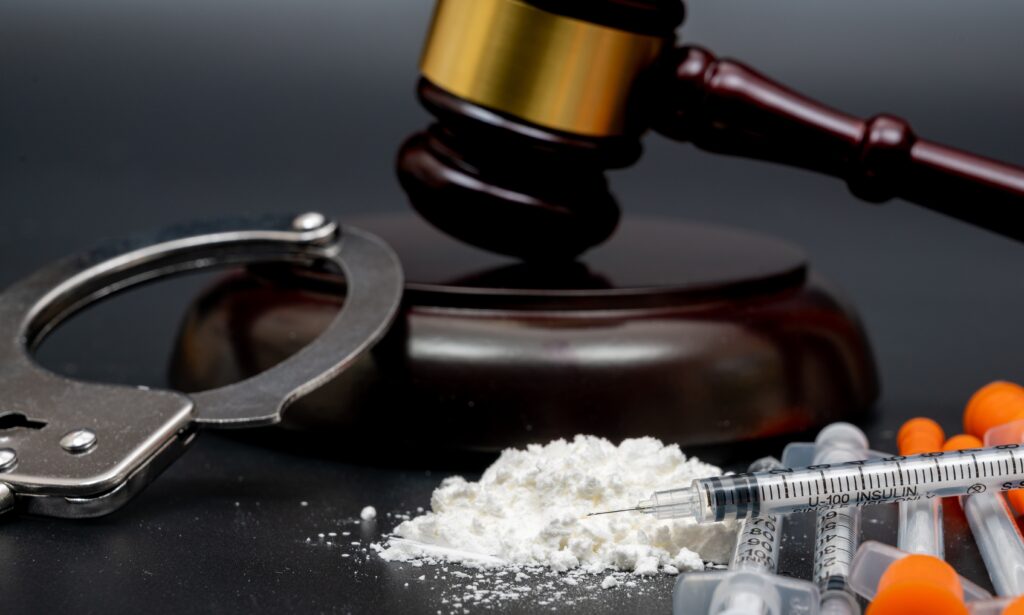
Frequent Drug Offenses You Should Know About
Law enforcement agencies in Carmel investigate a range of drug-related allegations. Some of the most common involve:
- Possession of marijuana: While possession laws have evolved in other states, Indiana still imposes criminal penalties for marijuana-related offenses. Even a small amount can result in misdemeanor charges, and repeat convictions may be treated as felonies.
- Possession with intent to distribute: Even without evidence of a transaction, large quantities of a controlled substance or certain packaging can lead to distribution allegations.
- Prescription fraud: Obtaining medications through false pretenses, or sharing a prescription, may be prosecuted under both state and federal law. Penalties often depend on the drug type and the scale of the fraud.
- Paraphernalia violations: Possessing pipes, syringes, or other drug-related tools can result in additional charges that complicate the defense strategy.
- Dealing controlled substances: This includes selling, delivering, or financing the transfer of drugs such as cocaine, methamphetamine, or opioids.
By clarifying the types of charges that arise most often, it becomes clear that Indiana law does not take these matters lightly. Depending on the circumstances, prosecutors can elevate what seems like a minor case into a felony.
Understanding Controlled Substance Violations In Carmel, Indiana
Controlled substance violations in Indiana fall under strict statutes that classify drugs into different schedules. These schedules reflect both the medical value of the substance and its potential for abuse. As outlined in Indiana Code Title 35, Article 48, Chapter 4 (IC 35-48-4), the seriousness of a drug dealing charge depends on two main factors: the type of drug and the quantity involved. According to the Indiana General Assembly’s codification of IC 35-48-4-7, possession of certain narcotics with the intent to deliver is treated as a felony, with penalties increasing substantially when larger amounts are discovered.
In Carmel, prosecutors frequently use circumstantial evidence to show intent. This may include:
- Digital communications, such as text messages and suggestions for sales activity.
- Drug paraphernalia like baggies, scales, or ledgers.
- Large cash amounts were found alongside controlled substances.
- Witness testimony or confidential informants.
Courts also review how evidence was obtained. If police conduct an illegal search or seizure without a valid warrant or probable cause, the evidence may be thrown out. Similarly, improper traffic stops, chain of custody errors, or testimony from unreliable informants can undermine the state’s case. A strong defense team uses these weaknesses to challenge or suppress evidence, often reshaping the outcome.
Potential Consequences For Drug Distribution In Carmel, Indiana
Drug distribution penalties in Indiana are designed to be harsh. Depending on the facts, a conviction may lead to:
- Felony classification: Drug distribution charges in Indiana rarely remain misdemeanors. Most begin as Level 4 felonies, carrying up to 12 years in prison, but they may be escalated to a Level 2 felony (10–30 years) or even a Level 1 felony (20–40 years) if the amount of drugs is significant or aggravating factors apply, such as minor involvement or proximity to schools.
- Lengthy incarceration: Sentences can range from several years to decades in state prison.
- Driver’s license suspension: Drug offenses may suspend driving privileges, even if unrelated to driving.
- Probation or community corrections: Courts may impose strict monitoring and rehabilitation programs.
- Permanent criminal record: Convictions limit career opportunities, housing applications, and educational prospects.
As outlined in IC 35-48-4-6, distributing cocaine or narcotic drugs can trigger some of the harshest penalties, often beginning at a Level 5 felony and climbing to Level 2 when aggravating circumstances apply. These consequences demonstrate why aggressive representation is essential from the start of a case.
How Drug Trafficking Laws Affect Your Future
Drug trafficking charges in Indiana are prosecuted more severely than distribution because they involve larger quantities, transportation, or cross-jurisdictional activity. Under state law, trafficking can include delivering, financing, or possessing substantial amounts of controlled substances. Prosecutors often pursue sentence enhancements when aggravating factors are present—such as the involvement of firearms, sales near schools, or cases where minors are implicated.
The consequences of a conviction extend far beyond incarceration. A carmel drug crimes lawyer can help you understand the full scope of risks, which may include:
- Loss of federal student aid or scholarships for students.
- Professional license suspension for doctors, nurses, or teachers.
- Challenges in child custody or visitation rights.
- Immigration complications for non-citizens.
- Substantial fines and long-term financial strain.
A skilled defense team will carefully examine whether law enforcement followed constitutional requirements during searches and seizures. When evidence is obtained unlawfully, it can be challenged or suppressed, reshaping the outcome of your case.
Steps To Take If Charged With Drug Dealing
Being arrested on suspicion of drug dealing can feel overwhelming, but the actions you take immediately afterward can have a lasting impact on your defense. Following these steps helps protect your rights and preserves the strongest possible position for your attorney.
Maintain Your Silence
The most important thing to remember is that you are not required to answer questions from the police. Anything you say, even casual remarks, can be taken out of context and later presented in court. Choosing to remain silent is not an admission of guilt but a constitutional safeguard that prevents prosecutors from twisting your words against you.
Request the Presence of an Attorney
As soon as officers begin questioning, state clearly and firmly that you want an attorney present. Once this request is made, law enforcement must stop interrogating you until counsel arrives. This step ensures that every conversation is guided by legal strategy and prevents investigators from pushing you into statements that may harm your case.
Do Not Sign Any Documents Without Legal Guidance
Police may try to have you sign consent forms for searches, written statements, or other documents. These forms can waive critical rights and make it easier for the state to build a case against you. Politely but firmly decline until your attorney has reviewed the paperwork and explained its consequences.
Keep a Thorough Record of the Situation
When possible, document everything you remember about your arrest. This includes the time, place, names of officers involved, and any statements made. Small details, such as whether a warrant was shown or a search seemed overly broad, may prove vital in identifying constitutional violations that can suppress evidence.
Inform a Family Member or Trusted Individual
Contacting someone you trust provides both emotional support and practical help. They can communicate with your lawyer, gather necessary documents, or assist with bail arrangements. Having a reliable support system can reduce stress and ensure nothing is overlooked during the early stages of your defense.
Taking these steps does more than protect your rights—it gives your defense team the tools to challenge the state’s version of events. By preserving evidence, avoiding self-incrimination, and insisting on counsel, you establish the foundation for a defense strategy that addresses every weakness in the prosecution’s case.
Why A Carmel Drug Lawyer Is Essential For Your Case
Working with a Carmel drug crimes lawyer can make the difference between a life-altering conviction and a second chance. Attempting to face prosecutors alone is risky because Indiana law is complex, and the state often seeks maximum penalties to discourage repeat offenses. Our firm has deep knowledge of Hamilton County court procedures and understands how prosecutors approach these cases.
A qualified defense attorney can provide critical support by:
- Anticipating the state’s strategy: Our founding attorneys previously served as prosecutors, giving us unique insight into how the state builds its arguments.
- Challenging evidence: We examine whether searches, seizures, or witness statements were obtained lawfully.
- Negotiating alternatives: Options like diversion, treatment programs, or reduced charges can spare clients the harshest outcomes.
- Presenting your story: A defense is not only legal; it’s personal. Judges and juries respond to fairness, and we work to ensure your voice is heard.
Having the right advocate by your side ensures that your rights are fully protected at every stage of the process. From the moment charges are filed to the final resolution, we focus on limiting the damage and fighting for the best possible outcome.
Call Banks & Brower Today To Speak With A Drug Defense Lawyer
Drug allegations in Carmel should never be taken lightly. Every step in the process, from the initial arrest to courtroom hearings, requires precise strategy and guidance. Our team has defended clients facing every type of controlled substance charge and continues to fight tirelessly for fair outcomes. Call us today at (317) 870-0019 to schedule a consultation with a dedicated Carmel drug crimes lawyer at Banks & Brower.
Banks & Brower is an Indianapolis-based firm focusing in criminal defense, personal injury, and family law. With over 80 years of combined legal experience, we bring valuable knowledge and insights to every case. Our clients face challenges such as major felony charges, DUIs, and sex crimes. We listen carefully to every client and craft personalized strategies to achieve the best possible outcomes. Banks & Brower is the law firm Indianapolis residents trust in times of need.