



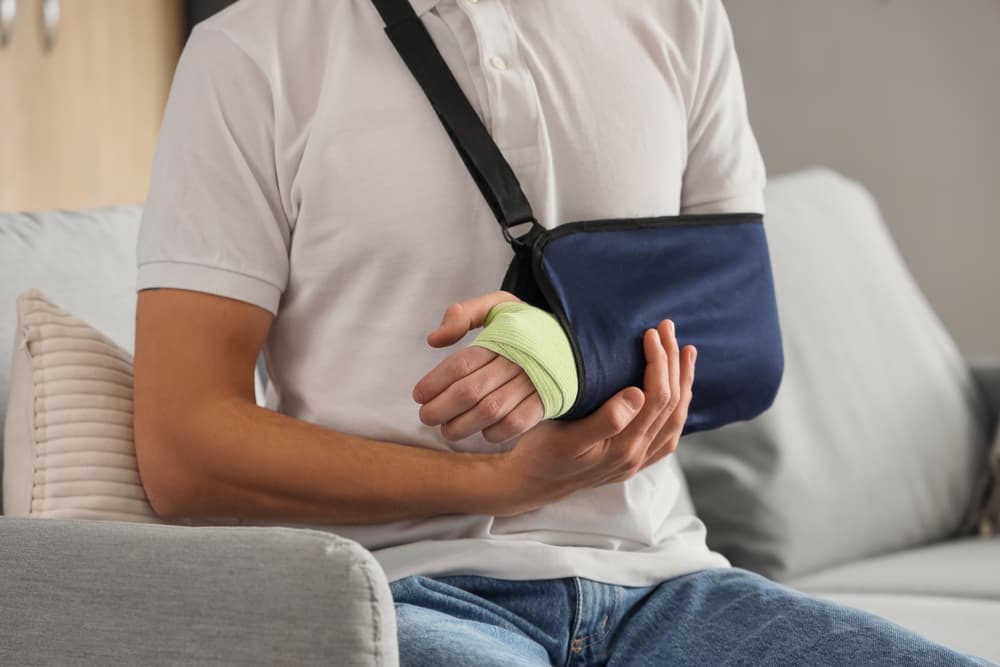
A fractured bone can disrupt daily life in ways few anticipate. Medical treatment, lost income, and ongoing discomfort often follow a sudden incident. Many individuals begin searching for a broken bones injury lawyer in Indianapolis when those challenges start affecting work, mobility, and financial stability. At Banks & Brower, your Indianapolis Personal Injury Lawyers we guide Indianapolis clients through each stage of a personal injury claim with a structured approach grounded in Indiana law. Our team focuses on clear communication, thorough case preparation, and practical legal strategies designed to address both immediate and long-term concerns linked to fracture injuries. We take time to explain how each legal step connects to the overall claim, so clients understand how evidence, documentation, and timing influence the outcome.
Looking for a Broken Bones Injury Lawyer in Indianapolis? Contact Us Today!
 call us: 317-870-0019
Common Causes of Broken Bone Injuries in Indianapolis
Broken bone injuries occur in a wide range of situations, many involving preventable hazards or unsafe conduct. In Indianapolis, these incidents frequently arise in both public and private settings, including roadways, workplaces, and residential properties. MedlinePlus, in its overview of bone fractures, recognizes several common mechanisms behind fractures, including falls, high-impact trauma, or direct force applied to the body.
Understanding how these injuries happen helps clarify liability and supports the development of a strong claim. Each cause carries different legal considerations, which makes early evaluation important when determining how to proceed. Common causes include:
- Fall from a height
Falls from ladders, staircases, or elevated surfaces often lead to fractures in the arms, legs, or spine. Uneven flooring, missing handrails, or poor lighting conditions may contribute to these incidents. Property owners must maintain reasonably safe conditions, and a failure to address known hazards may lead to liability when a fall results in injury. - Trauma
High-impact events, such as workplace incidents or recreational accidents, can place significant stress on bones. Heavy machinery, falling objects, or unsafe equipment often play a role in these situations. Evaluating safety procedures, training standards, and supervision helps determine whether another party contributed to the injury. - Motor vehicle accidents
Car, truck, and motorcycle collisions remain a leading source of fracture injuries in Indianapolis. The force of impact frequently results in multiple fractures, particularly in the ribs, limbs, and pelvis. Liability in these cases often depends on traffic laws, driver behavior, and physical evidence collected at the scene. - Direct blow
A strong impact from an object or physical contact can fracture bones immediately. These injuries often occur during physical altercations, sports, or accidents involving heavy equipment. Determining liability may involve reviewing intent, negligence, or safety violations, depending on the circumstances.
Each cause requires a case strategy shaped by the facts involved. We examine how the incident occurred, what hazards or actions contributed to the fracture, who may bear legal responsibility, and which records, reports, or witness accounts can support a well-developed claim under Indiana personal injury law.
Contact your Personal Injury Lawyers in Indianapolis
Types of Broken Bone and Fracture Injuries
Fractures vary in severity, location, and complexity. Some injuries heal within weeks, while others require surgery, rehabilitation, or long-term care. Medical classifications help explain how a fracture affects the body and how recovery may unfold. The American Academy of Orthopaedic Surgeons outlines several common fracture types, each with unique characteristics.
Understanding these categories helps connect medical findings with legal claims. The type of fracture often influences treatment decisions, recovery timelines, and the overall value of a case. Common fracture types include:
- Stable fracture, also called a non-displaced fracture
The bone remains aligned, which often allows for a more predictable healing process with immobilization and limited intervention. While recovery may appear straightforward, ongoing discomfort or limited mobility can still affect daily routines. - Open or compound fracture
The bone breaks through the skin, or a wound exposes the fracture. These injuries carry a higher risk of infection and often require surgical treatment. Hospital stays, follow-up care, and extended rehabilitation frequently accompany this type of fracture. - Transverse fracture
The break occurs in a straight horizontal line across the bone. This type often results from a direct impact and may require stabilization through casting or surgical fixation. - Oblique fracture
The fracture line runs at an angle. Twisting injuries commonly produce this pattern, and healing may depend on how well the bone remains aligned during recovery. - Comminuted fracture
The bone shatters into multiple pieces. These complex fractures often require surgical repair and extended recovery time. In some cases, long-term complications such as reduced strength or mobility may develop.
Each fracture type can shape liability analysis, treatment expectations, and the overall value of a claim. A broken bones injury lawyer in Indianapolis should examine imaging results, physician findings, and recommended care to assess how the injury affects pain levels, physical limitations, recovery time, future medical needs, and the person’s ability to work and manage daily responsibilities.
Who Can Be Held Liable for a Broken Bone Injury?
Liability in a fracture-related case depends on how the incident happened, who had a duty to use reasonable care, and whether a careless act or unsafe condition led to the injury. Many broken bone claims involve negligence, which means another party failed to act with the level of caution Indiana law requires under the circumstances. Building a strong claim often starts with a close review of the scene, the sequence of events, and the records tied to the injury.
Several parties may bear responsibility depending on the facts. A driver who speeds, follows too closely, or ignores traffic signals may cause a collision that results in one or more fractures. A property owner may face liability when unsafe conditions, such as broken stairs, loose flooring, poor lighting, or unaddressed ice, lead to a fall. Employers may share responsibility when workplace safety measures fall short, equipment remains unsafe, or required protections do not exist. In some cases, a manufacturer may also face a claim when a defective product, vehicle part, or piece of equipment contributes to the incident.
Some broken bone cases involve more than one liable party. A roadway injury, for example, may involve negligent driving, a defective vehicle component, or poor maintenance of the area where the incident occurred. A careful liability review helps identify each source of responsibility and prevents important facts from being overlooked. At Banks & Brower, we examine accident reports, photographs, witness accounts, maintenance records, inspection logs, and other supporting materials to determine how responsibility should be assigned. That work helps us present a clear claim supported by evidence, not assumptions.
Call Us To Schedule A Free Consultation
What Compensation Can You Recover for a Broken Bone Injury?
A fracture injury often creates financial and personal strain beyond the first round of treatment. Recovery may involve emergency care, follow-up visits, imaging, physical therapy, surgical procedures, and time away from work. Some people regain function within a matter of weeks, while others face a longer healing period with lingering pain or reduced movement. A personal injury claim seeks compensation for losses connected to both the injury itself and the broader effect the injury has on daily life.
Economic damages usually begin with medical expenses. These losses may include ambulance transport, hospital care, physician visits, diagnostic testing, medication, orthopedic treatment, rehabilitation, and medical equipment such as braces, crutches, or mobility aids. When a fracture requires surgery or ongoing care, those added costs can significantly affect the value of the claim. Lost wages may also apply when recovery prevents a return to work or limits the ability to perform regular job duties. In more serious cases, diminished earning capacity may become part of the claim when the injury affects future employment or income.
Non-economic damages address the human impact of the injury. A broken bone can interfere with sleep, movement, household tasks, childcare responsibilities, transportation, and other ordinary routines. Some fractures heal with relatively few complications, while others leave stiffness, weakness, chronic discomfort, or lasting physical restrictions. The extent of those limitations often shapes how non-economic losses are evaluated.
A broken bones injury lawyer in Indianapolis must present a clear and organized claim supported by both medical findings and financial documentation, allowing insurers or courts to evaluate the impact of the injury accurately.
Frequently Asked Questions About Broken Bone Injury Claims
How long do I have to file a broken bone injury lawsuit in Indiana?
Indiana law generally allows two years from the date of the injury to file a personal injury claim, according to Indiana Code Section 34-11-2-4. Filing within this period preserves the ability to seek compensation, while delays may limit available legal options. Early review of a claim allows time to gather records, evaluate liability, and prepare necessary documentation.
What if my fracture takes longer to heal or never fully heals?
Extended recovery or permanent impairment may increase the value of a claim. Some fractures require surgery, ongoing therapy, or result in reduced mobility. Medical documentation helps demonstrate how the injury affects long-term health, employment, and daily activities. In certain cases, physicians may provide evaluations addressing future care needs or lasting limitations, which can influence how damages are calculated.
What evidence helps prove a broken bone injury claim?
Strong evidence often includes medical records, imaging studies, accident reports, and witness statements. Photographs of the scene and injuries may also support the claim. Employment records may show lost income, while professional opinions may clarify the severity of the fracture and future limitations. Organizing this information clearly and consistently strengthens the overall presentation of the claim.
Can I file a claim if my child suffered a broken bone injury?
Yes, Indiana law allows legal claims for injuries involving minors, though additional rules apply. A parent or guardian typically files the claim on behalf of the child. Courts may review and approve certain settlements to protect the child’s interests. These cases often involve additional considerations, including future medical care, developmental impact, and long-term well-being.
Call us to schedule a consultation.
Contact Banks & Brower Broken Bone Injury Lawyers for a Free Consultation
Fracture injuries can leave lasting effects that reach beyond initial treatment. Understanding how to approach a legal claim can make a meaningful difference in how those challenges are handled. At Banks & Brower, we work closely with Indianapolis clients to build structured claims supported by medical evidence and detailed analysis. Our team provides steady communication, careful case preparation, and a clear path forward for those seeking a broken bones injury lawyer in Indianapolis. Call us at (317) 870-0019 to discuss your situation and learn how our firm can assist with your injury claim.
Banks & Brower is an Indianapolis-based firm focusing on immigration, criminal defense, personal injury, and family law. With over 80 years of combined legal experience, we bring valuable knowledge and insights to every case. Our clients face challenges such as major felony charges, DUIs, and sex crimes. We listen carefully to every client and craft personalized strategies to achieve the best possible outcomes. Banks & Brower is the law firm Indianapolis residents trust in times of need.