

Our Blog

click for a free consultation
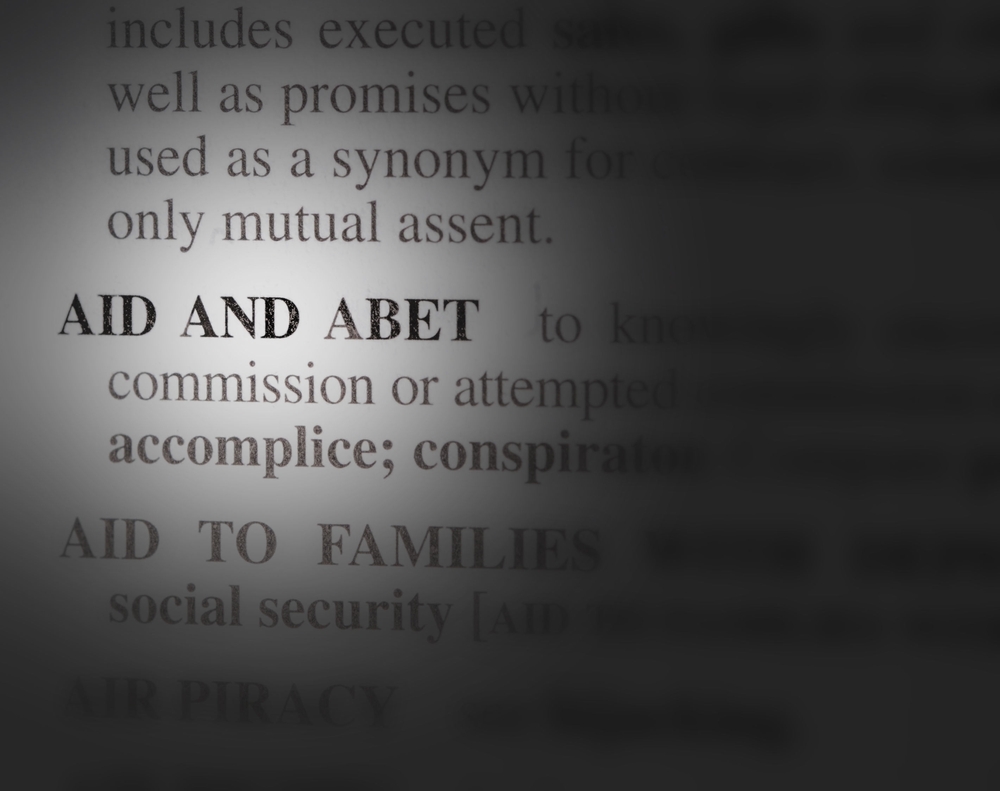
What Is Aiding and Abetting? Understanding the Indiana Law

What Is Aiding and Abetting? Understanding the Indiana Law

Key Takeaways Indiana law makes a person liable for knowingly or intentionally aiding another offense. Mere presence near a crime scene does not automatically create criminal responsibility. Penalties for aiding and abetting follow the classification of the underlying offense. Prosecutors must prove intentional participation in assisting criminal conduct. Aiding and abetting requires assistance tied to a completed offense during the act. Criminal charges in Indiana sometimes involve several people connected to a single event. Courts…

Read More

Juvenile Criminal Law in Indiana

If you or your loved one is under the age of 18 and arrested or facing a criminal case, what happens now?  Unlike an adult, juveniles are handled differently when arrested for committing a criminal offense.   First, its not even called a criminal offense, it’s called an allegation of juvenile delinquency.  Almost all crimes that an adult would commit, when committed by a juvenile, will end up being handled in juvenile court.  There is an…

Read More
Plea Bargain Definition: What It Means in Indiana Criminal Law

Plea Bargain Definition: What It Means in Indiana Criminal Law

Key Takeaways A plea agreement resolves charges when a defendant accepts responsibility for concessions. Judges review plea agreements to confirm voluntary participation and understanding of waived rights. Indiana Rule of Criminal Procedure 3.3 allows guilty, not guilty, or mentally ill pleas. Charge bargaining reduces a criminal charge to a lesser offense. A guilty plea waives the right to a jury trial. Criminal charges move quickly through Indiana courts. Early hearings, evidence review, and negotiations between…

Read More

Do You Have to Divide Up ALL Assets in a Divorce?

Yes, it all goes in . . . That is the general answer to the one question asked when people find themselves going through a dissolution . . . “are they going to be able to get half of my stuff?” Pursuant to Indiana Code 31-15-7-4 the court “shall” divide the property whether it was owned by either spouse before the marriage, acquired by the parties jointly, or acquired by either party individually, after the…

Read More
Class A misdemeanor Indiana First Offense

Class A misdemeanor Indiana First Offense

Key Takeaways Class A misdemeanor is punishable by up to one year in jail and $5000 fine. Statute of limitations is two years from offense date. First-time offenders may access diversion programs that allow charge dismissal upon completion. Class A misdemeanor convictions remain indefinitely unless expunged. Expungement requires five years, paid obligations, and no pending charges. I’ve Been Arrested for a Misdemeanor in Indiana, Now What? For most people, when they are arrested for the…

Read More
What Is Discovery in Indiana Criminal Law? Understanding the Process

What Is Discovery in Indiana Criminal Law? Understanding the Process

Key Takeaways Discovery allows the prosecution and defense to exchange evidence before trial. Indiana Criminal Rule 2.5 encourages both sides to share information without court involvement. Prosecutors must disclose exculpatory evidence under constitutional law. Early review of reports, witness statements, and forensic results strengthens defense strategy. Courts can enforce discovery rules and penalize parties who fail to comply. Criminal charges place your future under intense scrutiny, and every piece of evidence can influence the outcome….

Read More

Deep-fake and AI Generated CSAM Laws in Indiana

Key Takeaways  Indiana’s criminal laws on deep-fake images are regulated under the Distribution of Intimate Images laws, I.C. 35-45-4-8(d).  Deep-fake material is AI edited or altered media that depicts an identifiable person doing or saying something they never did.  Sharing a deep-fake image portraying pornographic material is a Class A misdemeanor and a Level 6 felony if the accused has a prior conviction.  Possessing deep-fake pornographic material is not illegal, however…

Read More
What Is the Difference Between Burglary and Robbery in Indiana?

What Is the Difference Between Burglary and Robbery in Indiana?

Key Takeaways Burglary involves breaking and entering a building with intent to commit a felony or theft inside. Robbery involves taking property from a person through force, threats, or fear. Burglary centers on unlawful entry and intent. Robbery centers on force against a person. Burglary enhancements may involve a dwelling, bodily injury, or a deadly weapon. Robbery enhancements may involve a deadly weapon or bodily injury. Indiana residents often ask, what is the difference between…

Read More
fact-checked-image

This page has been written, edited, and reviewed by a team of legal writers following our comprehensive editorial guidelines. This page was approved by Founding Partner, Brad Banks who has more than 20 years of legal experience as a criminal defense attorney.